Showing posts with label Kent Places. Show all posts

Tuesday, 7 March 2023

Kent Places (5) : Headcorn

The village of Headcorn is in central Kent, near to Maidstone. There has been settlement in the area since at the Palaeolithic with flint stone axes found north of the village that may be 250,000 years old. There is also evidence of farming from the Iron Age and Roman periods. In the Domesday Monachorum there is listed a church at Hedekaruna. This name may mean the bridge of Hydeca. The location was an important crossing over the river Beult. 

The village grew in the early medieval period, being granted a market and an annual fair in 1251. A Trinitarian priory was established in 1224, this lasted until 1538. The village grew wealthy due to a weaving industry established during the reign of King Edward III.

The parish church dedicated to St Peter and St Paul dates from at least the 13th century and was built on the site of an earlier church. Headcorn was an important transport hub during the age of stage coaches, the railway reached Headcorn in 1842. A nearby aerodrome was opened in the 1920s and remains open for Air Cadets and flight training.


Tuesday, 28 February 2023

Kent Places (4) : Leigh

Leigh is a village in the West of the county of Kent near to Sevenoaks and Tonbridge.

Leigh (which is pronounced Lye) was originally spelt Lyghe. The name is derived from the Anglo-Saxon leah or forest glade. Leigh has existed since at least the 11th century when it was recorded as a hamlet owned by the Lord of Tonbridge. The land around the village was acquired by Sir John de Pulteney in the 14th century. The land passed to the Sidney family in 1533, they held the land until the early 20th century.

Leigh grew in the 19th century, the railway arriving in 1842. A number of notable buildings were built in the village in the 19th century by the Baily and Morley families including the village's pub, the Fleur de Lis. This was originally a set of cottages built by the Baily family in 1855 but bought to become a pub in 1870.

The original core of the village is now a conservation area which contains 49 listed buildings or structures.


Tuesday, 21 February 2023

Kent Places (3) : Rochester

The town of Rochester is at the north of the county close to the coast on the river Medway. The town has Roman origins where it was known as Durobrivae. The name Rochester is derived from the pronunciation of the Romano-British name as Robrivis plus the latin for castle. By 1610 the name was written as Rochester.

The cathedral was founded in 604 though the earliest parts of the current building date from the early Norman period. Rochester castle dates from the 12th century and was involved in a couple of sieges in the following century. The castle was built due to the town's strategically important location near the mouth of the Thames. This meant the town could be in the front line of any conflict including as late as 1667 when the town by raided by a Dutch fleet in the Second Anglo-Dutch War. 

The Royal Navy later established one of it's major bases at nearby Chatham. The shipyard was a major employer in the area, it finally closed in 1984. The closure hit the local economy hard though has gradually recovered over the following years.


Tuesday, 14 February 2023

Kent Places (2) : Marden

The village of Marden is near the centre of the county, about thirteen kilometres south of Maidstone. The village has existed since Saxon times and was recorded in the Domesday Book as Maere Denn which is derived from the Old English for a clearing by the marsh. The name became Marden by the 17th century.

Being amid a prime fruit (especially apples) growing area of the country its no surprise Marden became known for this agricultural produce. The Marden Fruit Show Society began holding an annual show for fruit growers in 1933. This fruit show is nowadays called the National Fruit Show and is still held nearby (if not in Marden itself anymore).

The parish church dedicated to St Michael and All Angels dates from the 12th century and is next to Marden railway station which dates from 1842.


Tuesday, 7 February 2023

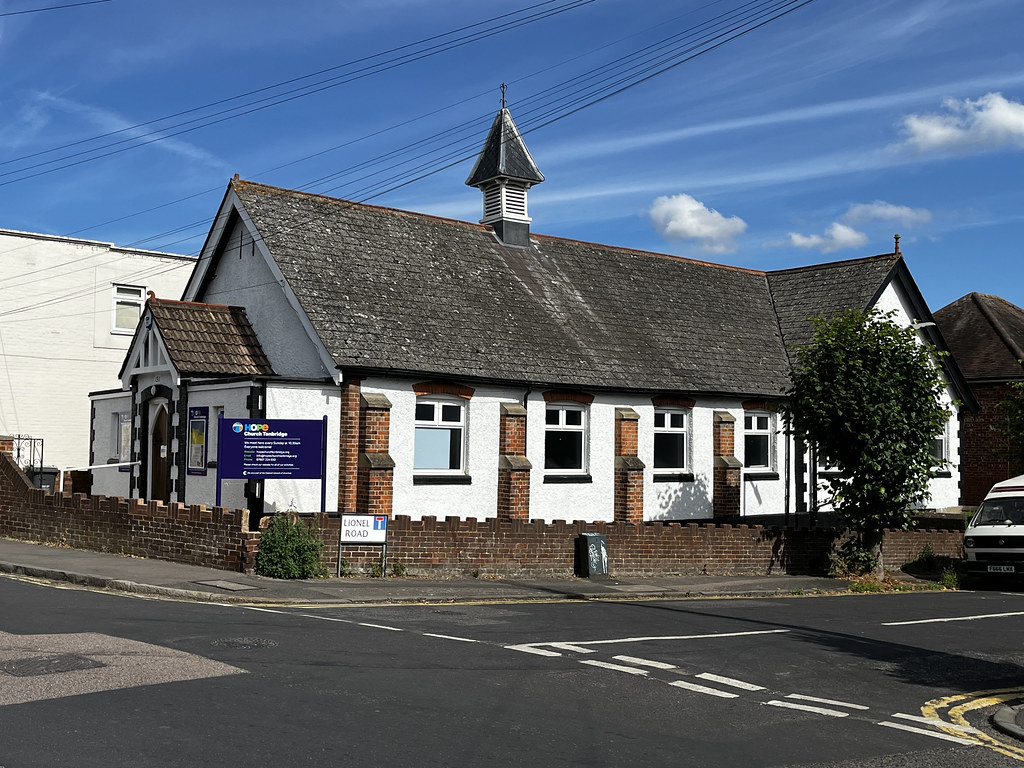
Kent Places (1) : Tonbridge

The market town of Tonbridge is in the south west of Kent. The town was listed in the Domesday Book as Tonebrige which may mean the bridge which belonged to the manor. The town was known as Tunbridge until 1870 when the name was changed by the Post Office to avoid confusion with nearby Tunbridge Wells!

A castle was built at Tonbridge in the 11th century. The gatehouse is still fairly well preserved as is the motte. The castle was used as an official residence by King Edward II and during the later medieval period the town was considered to be important strategically. King Henry III wanted it to become a walled town though the walls were never built, the castle defences being considered sufficient in the end.

The river Medway which flows through the town (indeed next to the castle) was made navigable as far as the town in the 1740s. This allowed for water borne trade from Maidstone and the Thames. Commercial traffic continued on the river until 1911. Tonbridge railway station opened in 1842 and remains a busy station to this day, a large goods yard and depot is next to the station. An interesting transport first for the town was that in 1896 the first ever speeding fine to a motorist was handed out, the motorist had been travelling 8 mp/h in a 2 mp/h zone!